
How to Mulch Trees Without Harming the Trunk
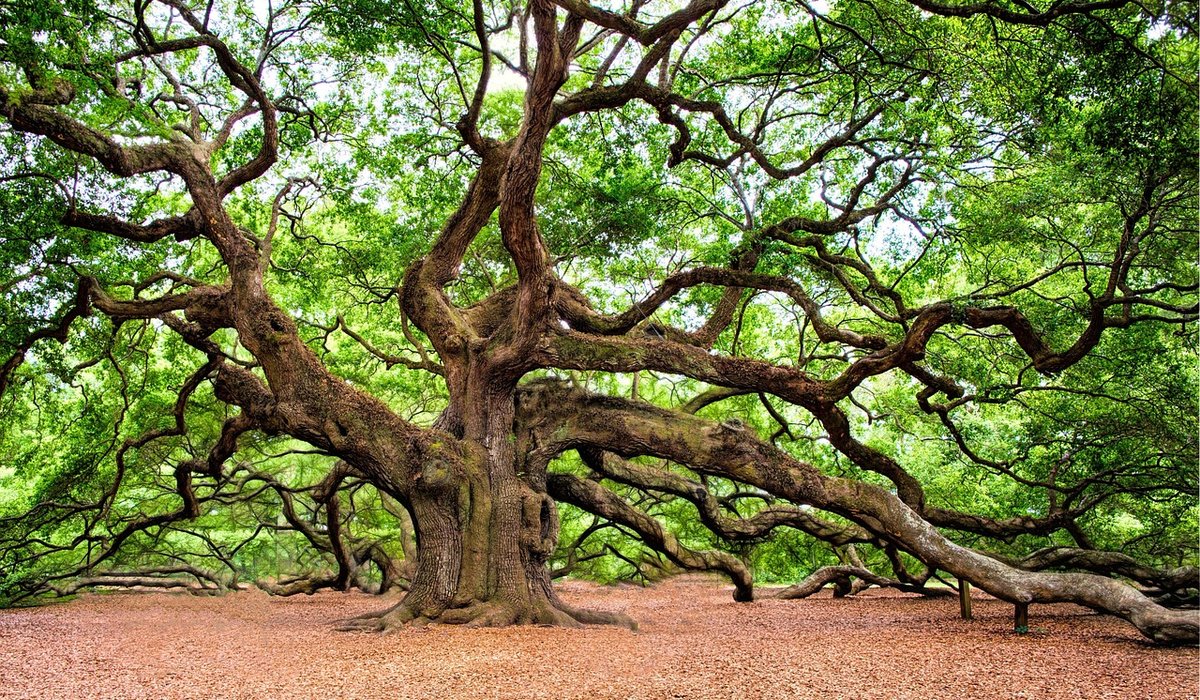
A pond beneath mature trees can feel like a contradiction. You picture deep shade, a carpet of fallen leaves, and thirsty roots. Yet some of the most wildlife-rich ponds I have visited sit in dappled shade cast by oaks, willows and old orchard trees. The key is to work with the trees rather than against them. With careful siting, shade-tolerant plants and a few simple techniques, you can create a small pond that frogs, newts, dragonflies and a host of invertebrates will find within a season.
Why a pond under trees works
Shade is not the enemy. A pond that is partially shaded for part of the day stays cooler in summer, holds its water longer and suffers fewer algal blooms. Fallen leaves provide food and cover for tadpoles and aquatic insects. The tree canopy also drops insects into the water, a free meal for frogs and newts. The main challenges are tree roots, leaf fall and low light levels, all of which are manageable.
Before you dig, check whether the tree is protected by a Tree Preservation Order or sits in a conservation area. You may need permission for any work within the root protection area. As a rule, keep excavations at least three metres from the trunk of a mature tree, and further for species like poplar, willow and oak. If in doubt, choose a spot at the edge of the canopy rather than directly beneath it.
Choosing the spot and size
A small pond is often more practical and more wildlife-friendly than a large one. Aim for at least one square metre of surface area, ideally two or three. Depth matters more than width: include a shallow shelf around the edge (10–20 cm deep) and a deeper section (60–80 cm) in the middle. This gives frogs a safe place to spawn, insects somewhere to shelter, and enough depth for creatures to overwinter without the pond freezing solid.
- Choose a spot that receives dappled shade for part of the day, not deep, permanent gloom.
- Avoid hollows where leaf litter and water runoff collect excessively.
- Dig by hand with a spade and fork, working around large roots rather than cutting them.
- Line with a butyl or flexible EPDM liner, or use a pre-formed rigid liner if the shape suits.
- Add a layer of sand or old carpet under the liner to protect it from roots and stones.
Planting for shade and leaf litter
Most conventional pond plants want full sun, so choose species that cope with lower light. Native marginal plants are best because they support British wildlife. Good choices include water mint (Mentha aquatica), bugle (Ajuga reptans), marsh marigold (Caltha palustris) and yellow flag iris (Iris pseudacorus), though the iris can spread, so keep it in a basket. For oxygenating the water, use hornwort (Ceratophyllum demersum) or water starwort (Callitriche stagnalis), both of which tolerate shade. Avoid invasive non-natives such as parrot's feather and New Zealand pygmyweed.
Plant in aquatic baskets filled with loam-based compost, topped with gravel to stop fish and birds from disturbing the soil. Place baskets on the shallow shelf and check them each spring, dividing overcrowded clumps. A few submerged pots of water forget-me-not (Myosotis scorpioides) will flower in partial shade and attract pollinators to the water's edge.
Safe edging and easy access
Edging a pond under trees needs to be safe for wildlife and for you. Avoid slippery liner edges and steep sides. Create a gentle ramp at one end using stones, gravel or a piece of untreated timber, so frogs, hedgehogs and small mammals can climb out. If you have children or pets, consider a raised edge or a low stone lip, but leave gaps for wildlife.
- Use flat stones, log rounds or turf to disguise the liner and soften the edge.
- Leave a few log piles and leaf mounds nearby as hibernation sites for frogs and newts.
- Do not use sharp gravel or broken glass near the water; amphibians have delicate skin.
- Position a small pebble beach on the sunny side for basking insects and birds.
Managing leaves and seasonal care
Fallen leaves are both a blessing and a curse. A few leaves in the pond feed invertebrates, but a thick blanket will decompose and starve the water of oxygen. In autumn, skim the surface with a net every few days, or place a temporary net over the pond during peak leaf fall. Leave the net in place only while needed, and check it daily for trapped wildlife.
In spring, remove only a third of the plant growth and any excessive silt. Never empty and scrub the pond clean; that destroys the microscopic life that underpins the food web. If the water turns green, shade from the trees is usually enough to prevent it, but a few extra oxygenators will help. Frogs will spawn in early spring, often in the shallowest, warmest corner. Keep dogs and cats away from that area for a few weeks if you can.
A wildlife pond beneath mature trees is not a manicured feature. It is a messy, lively, endlessly interesting patch of water. Give it a year to settle, resist the urge to tidy too much, and you will be rewarded with frogspawn, diving beetles and dragonflies hunting along the shaded edge.
LEAVE A COMMENT