
Essential Tools for Healthy Tree Maintenance
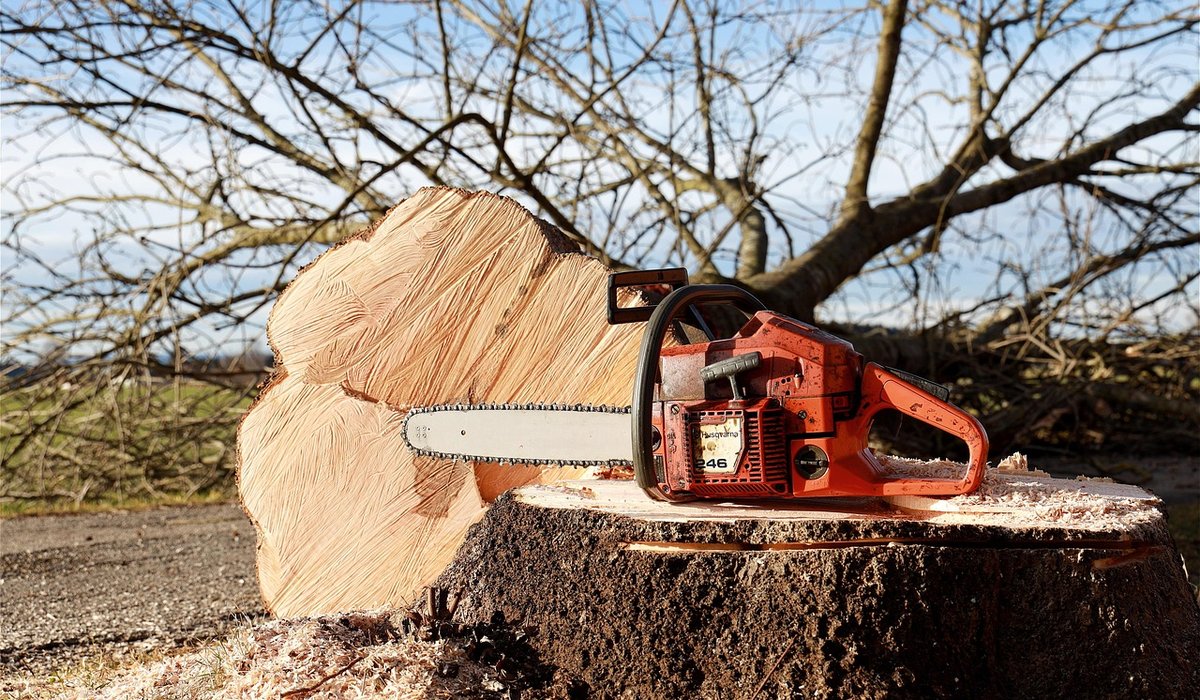
A mature oak, a coppiced hazel, a line of birches along a boundary — trees give a garden structure, shade and a sense of history. Most of the time, looking after them is a gentle business of mulching, clearing competition and watching for changes. But there are moments when a job stops being gardening and starts being arboriculture, and that is when you should call in a qualified tree surgeon. Knowing where that line falls will save you money, stress and, potentially, a serious injury.
Storm Damage and Dangerous Limbs
After a gale, a tree can look fine from the ground while hiding a split fork, a cracked limb or a hanging branch caught in the canopy. These are the classic widowmakers — dead or broken wood that can drop without warning.
Call a professional if you notice any of the following:
- A limb that has torn away from the trunk but is still attached, resting on other branches.
- Deep cracks, splits or a visible hollow at the base or in a main fork.
- Fungal brackets — especially horseshoe-shaped ones — growing from the trunk or roots.
- Soil heaving or a new lean of more than a few degrees after wet or windy weather.
- Branches resting on a roof, fence or shed.
Climbing a damaged tree with a chainsaw is one of the most hazardous jobs in arboriculture. A tree surgeon will assess it from the ground, decide whether it can be climbed safely, and often use ropes and a harness to remove weight in small pieces.
Large Removals and Felling in Tight Spaces
Felling a tree is easy in an open field. In a domestic garden, with a greenhouse on one side and a neighbour's conservatory on the other, it is a technical operation. Anything over about 15 centimetres in diameter at chest height, or any tree within falling distance of a building, deserves professional attention.
Tree surgeons use directional felling cuts, wedges, pull ropes and rigging systems to lower sections under control. They also check for hidden obstacles: a metal fence post grown into the trunk, a wasp nest in the canopy, or a cable running through the branches. Attempting a sectional dismantle from a ladder is a common and dangerous mistake.
Any Work Near Power Lines
Overhead electricity lines are unforgiving. You do not need to touch a cable to be injured; electricity can arc across a gap, and damp wood, ladders and ropes can all conduct. In the UK, safe clearance distances are set out in law and vary with voltage — for low-voltage lines it can be as little as a metre, while high-voltage lines require several metres of separation.
Never trim, fell or even lean a ladder near a power line. If a tree is touching or growing close to an overhead cable, contact the local network operator. They can arrange for the line to be isolated or for the work to be done by a trained utility arborist. The same caution applies underground: a stump grinder can sever a gas or water pipe.
Tree Disease, Pests and Legal Protection
Sometimes the tree is not an immediate hazard, but it is clearly unwell. Yellowing leaves, thinning crowns, weeping lesions, or a sudden crop of mushrooms at the base can point to problems such as honey fungus, ash dieback or phytophthora root rot. Diagnosis is not always straightforward, and a wrong call can lead to removing a healthy tree — or leaving a dangerous one standing.
Legal protection matters too. Many trees are covered by Tree Preservation Orders, and trees in a conservation area are protected by default. Pruning or felling without permission can lead to an unlimited fine. A qualified tree surgeon will know how to check the local authority's records and can prepare an application on your behalf. They will also advise on protected species: bats roost in trees, and it is an offence to disturb them without a licence.
Jobs You Can Reasonably Tackle Yourself
Not every task needs a professional. Light pruning of young trees, removing suckers from the base of a fruit tree, cutting back a hedge, or clearing ivy from a low wall are all within reach for a careful gardener with sharp hand tools.
- Prune thin branches — under about 5 centimetres — with a sharp pruning saw or loppers.
- Work from the ground or a stable platform, never a ladder with a chainsaw.
- Leave the branch collar intact; flush cuts harm the tree.
- Stop if you are unsure. A second opinion costs far less than an accident.
What to Check Before You Hire
Anyone can buy a chainsaw and print a business card. When you are paying for tree work, you are paying for judgement, training and insurance. Ask for:
- Evidence of recognised industry certificates in chainsaw use and aerial tree work.
- Public liability insurance of at least £2 million, and employers' liability cover if they bring a team.
- A written quotation setting out what will be removed, what will be left, and how waste will be disposed of.
- A waste carrier's licence if they are taking the arisings away.
A good tree surgeon will walk the site with you, explain the options, and tell you honestly if a tree can be retained rather than removed. That mix of technical skill and plain-speaking advice is exactly what you are paying for — and it is why some jobs should never be a DIY project.
LEAVE A COMMENT