
Caring for Young Trees Through Their First Summer
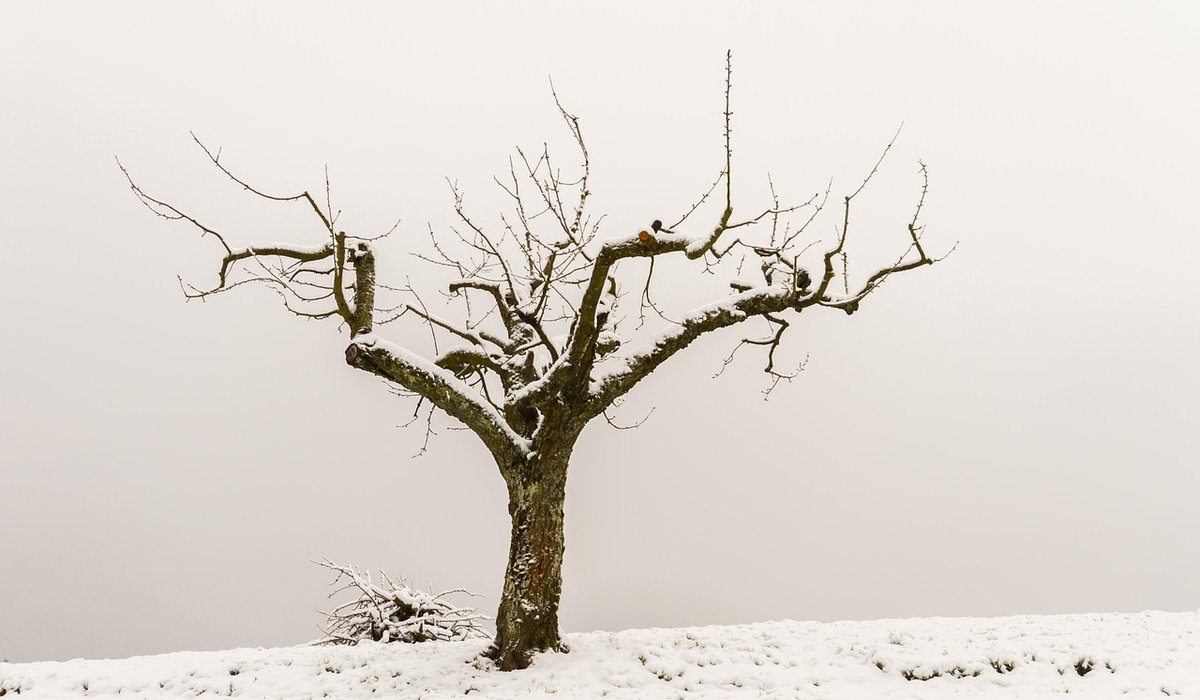
Start by Looking at the Whole Tree
Trees are remarkably good at hiding trouble. By the time a symptom is obvious from the kitchen window, the problem may have been developing for years. So before you diagnose anything, stand back. Ten or fifteen metres away is about right, ideally with the sun behind you so the crown is well lit.
A healthy broadleaf in midsummer should carry a full, evenly coloured crown, with strong extension growth on the outer twigs. Compare your tree with others of the same species nearby — a neighbouring oak, ash or beech is your best control sample. Then ask yourself a few simple questions:
- Is the damage spread evenly through the crown, or confined to one side?
- Does it affect a single species, or several different trees across the woodland?
- Are young trees or mature ones suffering more?
- Has the change appeared over one season, or crept on slowly over five or ten?
The answers will often point you towards a cause before you have examined a single leaf.
Leaf Symptoms: Discolouration, Spotting and Early Leaf Fall
Leaves are the first part of a tree to show stress, but they are also the most easily misread. Drought, waterlogging, compacted soil, nutrient shortage and herbicide drift all cause discolouration that has nothing to do with disease. Look for patterns rather than single blemishes.
- Premature autumn colour in July or August — yellowing and browning weeks ahead of schedule — usually signals a root or vascular problem rather than an insect.
- Dark blotches and tar spots on sycamore and maple are almost always cosmetic. They look alarming and do very little harm.
- Pale leaves with green veins suggest a nutrient deficiency, often lime-induced chlorosis on chalky soils.
- Wilting leaves that hang on the tree, or shoots that blacken and curl without dropping, are far more serious and worth investigating properly.
- Sticky honeydew and black sooty mould are the signature of aphids, not disease. The tree is usually fine.
Bark, Cankers and Bleeding Lesions
Bark tells the truth. A canker is a patch of dead, sunken tissue in the bark, often with a raised callus of wound wood around its edge as the tree tries to seal it off. Run your eyes up the trunk and main limbs, using binoculars for anything above head height, and look for:
- Diamond-shaped dark lesions on ash stems and branches, sometimes with a pale, ghostly strip beneath — the classic signature of ash dieback.
- Sticky dark or rust-coloured fluid oozing from the trunk. Bleeding canker is common on horse chestnut, and similar symptoms appear on oak and cherry.
- White fan-shaped sheets of fungal tissue beneath loose bark at the base, together with black bootlace strands in the soil — the hallmarks of honey fungus.
- D-shaped exit holes and sawdust-like frass on oak, often accompanied by dark staining on the bark — associated with acute oak decline.
Never peel bark from a living tree to satisfy curiosity, and never poke around the base of a mature tree with a mattock. You will do more damage than the disease.
Crown Dieback and Root Troubles
Progressive thinning from the outside in, with dead twigs appearing at the top of the crown while the lower branches still look well, is one of the most reliable warning signs in arboriculture. It points to a problem the tree cannot fix: a compromised root system, a blocked vascular system, or a chronic fungal infection.
A few examples are worth knowing. Dutch elm disease causes upper branches to flag and yellow in early summer, and peeling a dying branch reveals dark streaking in the sapwood. Phytophthora infection on larch shows as crown thinning with resinous bleeding on the trunk, often along a ride edge where soil stays wet. Verticillium wilt can cause sudden collapse of one side of a tree, with olive-green staining in the wood beneath.
Root problems are the hardest to see and the most common cause of a declining mature tree. Waterlogging, excavation, paving, changes in drainage and repeated compaction within the root protection area will all produce crown symptoms years later.
Spotting the Diseases You Are Most Likely to Meet
In British woodlands today, a handful of problems account for most of what you will encounter. Ash dieback is now widespread and its brittle timber makes affected trees genuinely dangerous. Acute oak decline is patchy but spreading. Bleeding canker has transformed many horse chestnuts. Phytophthora species continue to move through larch and other conifers. Honey fungus remains the great recycler of tired, stressed trees at the woodland edge.
Learn the two or three that affect the species you actually manage, and you will spot them far earlier. A small notebook, or a phone with a grid reference field, is more useful than a shelf of reference books.
When to Seek Expert Advice
You can safely monitor a tree yourself, and you should. But certain situations call for a qualified arboriculturist: a tree within falling distance of a road, path, building or play area; a mature tree with fungal brackets at the base; heavy bleeding or extensive cankers on a principal stem; or any tree where more than a third of the crown has died back.
Before you ring anyone, gather your evidence. Note the species, the approximate age, the grid reference, the date, the proportion of the crown affected, and whether neighbouring trees show the same signs. Photographs of leaves, bark and the whole tree in context are invaluable. Bear in mind that felling or heavy pruning may require a felling licence, or consent if a Tree Preservation Order applies, and that ash dieback in particular makes trees unpredictable to work on — leave the chainsaw to someone insured and competent. A good consultant will tell you honestly whether a tree can be retained, managed or must come down, and often saves both the tree and your budget.
LEAVE A COMMENT