
Planting a Native Hedge for Wildlife and Privacy
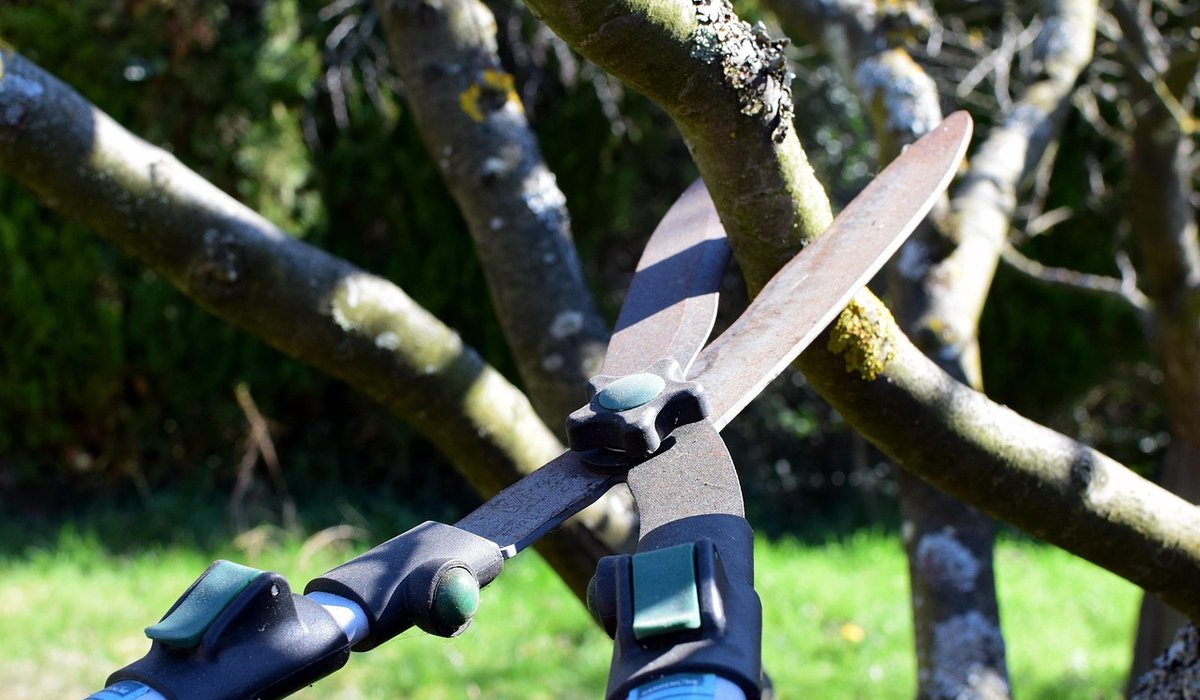
Why winter is the best time to prune apple trees
For most apple trees, the quiet months from late November to early March are ideal for pruning. The tree is dormant, the sap is not rising, and without leaves you can see the true shape of the branches. Winter pruning encourages strong new growth in spring, which is exactly what you want from young trees that need to build a sturdy framework. It is also easier to spot dead, diseased or damaged wood when the canopy is bare. Avoid pruning during hard frost, when the wood is brittle and cuts may shatter, and leave autumn pruning alone unless you are simply removing a broken branch. A dry, mild winter day is perfect: wrap up warm, take your time, and think of it as a conversation with the tree rather than a battle.
Tools, timing and a calm approach
Good pruning starts with sharp tools. You will need bypass secateurs for thin stems, loppers for branches up to about 4cm, and a pruning saw for anything thicker. Bypass tools give a clean cut; anvil secateurs can crush the wood. Wear gloves and eye protection, and clean your blades with methylated spirits or a garden disinfectant between trees to avoid spreading disease. Work on a dry day when the temperature is above freezing. If you are new to pruning, remember the golden rule: it is better to take off too little than too much. Apple trees can live for decades, and a careful prune can be repeated next year. A rushed prune, however, can set a tree back or leave it open to canker.
Reading the tree: buds, collars and the open goblet
Before you cut, look closely. Apple trees produce two kinds of buds. Fruit buds are plump, rounded and often slightly downy; they sit on short, wrinkled shoots called spurs and will carry next year's apples. Wood buds are smaller, flatter and tighter to the stem, and they grow into leaves and new shoots. Where possible, cut back to a wood bud that faces outwards, so new growth heads away from the centre. Look for the branch collar — the slight swelling where a branch meets the trunk. Always cut just outside this collar, never flush with the trunk, because the collar contains the tree's natural healing tissue. The classic shape for an apple tree is an open goblet: a short trunk leading to three to five well-spaced main branches, with an open centre that lets in light and air. Light means fruit, and air means fewer fungal problems.
Step-by-step winter pruning for a young apple tree
- Remove the three Ds first: dead, diseased and damaged branches. Cut back to healthy wood, just outside the branch collar.
- Take out crossing and rubbing branches. Choose the stronger, better-placed one and remove the other completely.
- Remove any suckers growing from the rootstock at the base, and any vigorous shoots growing straight up from the trunk.
- Shorten the main leader by about a quarter, cutting to an outward-facing wood bud. This encourages a balanced framework.
- Select three to five scaffold branches evenly spaced around the trunk, ideally at 45 to 60 degrees from vertical. Remove the rest.
- Shorten side shoots (laterals) on the scaffolds to three or four buds. This builds fruiting spurs for future years.
- Step back and look. If a branch still crosses or blocks the centre, remove it. If in doubt, leave it until next winter.
Mature trees and apple trees in a woodland garden
Mature apple trees need a lighter touch. Aim to remove no more than 10 to 20 per cent of the canopy in one winter. Focus on renovation over two or three years: thin out crowded branches, remove the oldest wood, and let light into the centre. Never remove more than one large limb at a time, and always leave the tree with a balanced shape. In a woodland garden, apples often grow at the edge of a clearing or among other trees. Here, competition for light and water is fierce, so prune even more gently. A woodland apple can be left with a slightly wilder shape, and its deadwood is valuable habitat for insects, fungi and birds. Mulch around the base with well-rotted compost or woodchip, but keep it clear of the trunk. If you grow trained forms such as espaliers or cordons, winter is the time to shorten fruiting spurs to two or three buds, keeping the form neat and productive.
Aftercare, common mistakes and a final check
After pruning, tidy up all cuttings, especially any diseased wood, and dispose of it away from the tree. Do not paint small cuts; the tree seals them itself. For cuts larger than a saucer, you may use a proprietary wound sealant, though many arborists prefer to leave them. Water young trees in dry spells and mulch annually, but avoid high-nitrogen fertiliser, which encourages leafy growth at the expense of fruit. The most common mistakes are leaving long stubs, cutting into the branch collar, using blunt tools, and pruning too hard in one go. A good prune should leave the tree looking as though a bird could fly through it. Do not worry if it looks a little sparse at first — apples respond well to careful winter work. Come spring, new shoots will break, blossom will follow, and by autumn you should be rewarded with a healthier tree and a better crop of fruit.
LEAVE A COMMENT