
Identifying Common Tree Diseases in British Woodlands
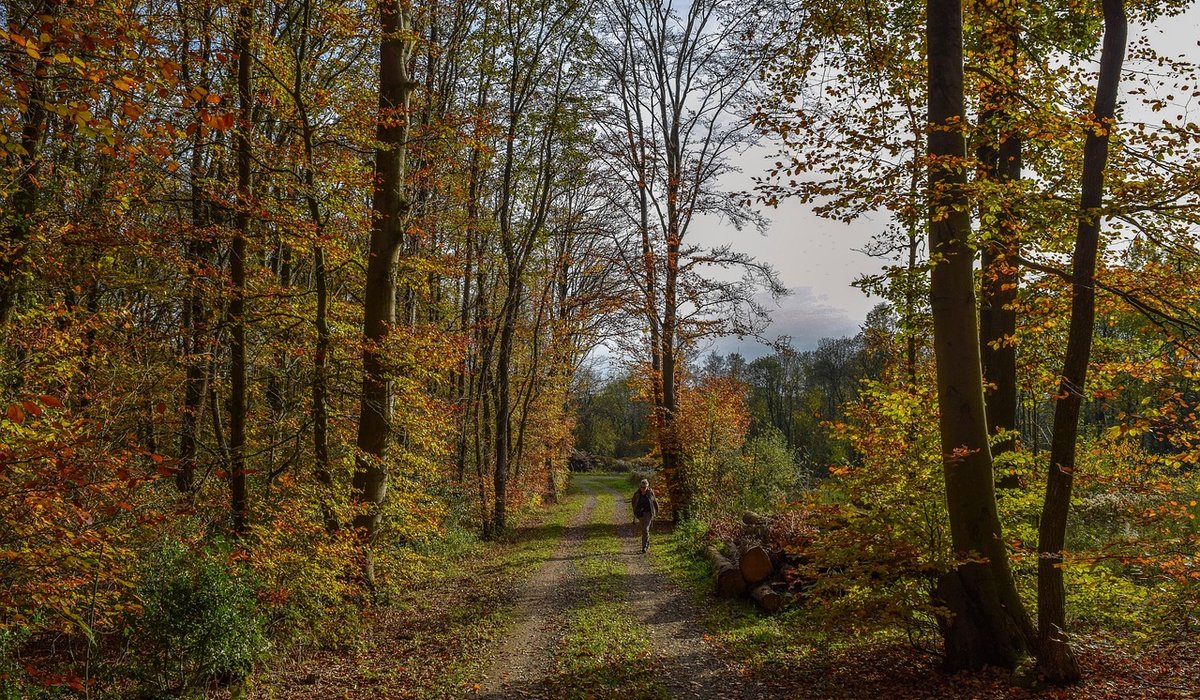
Reading the Light Before You Plant
Most British gardens have a shady corner, and many have something approaching a small wood. The trick is to stop treating shade as a problem and start reading it as a set of conditions with their own possibilities. Before you buy a single plant, spend a day watching how light moves across the space. Morning sun and evening sun are different animals: a border that catches two hours of low, slanting light in the evening will suit very different plants from one in deep, all-day gloom beneath a mature sycamore.
The distinction that matters most is between dappled shade and deep shade. Dappled light, filtered through the canopy of birch, rowan or field maple, shifts through the day and is generous enough for a huge range of woodland perennials. Deep shade under dense evergreens or a thick yew hedge is a specialist's game — ferns, ivy and a few determined ground-cover plants.
Root competition is the other thing to measure. Trees and hedges take moisture and nutrients from a wide area, so planting directly beneath them means smaller plants, more watering in the first two years, and generous mulching.
Building the Woodland Frame
A woodland garden needs structure before it needs flowers. Think in layers, exactly as a natural wood does: a canopy, a shrub layer, herbaceous plants and a ground layer. Even a small garden can borrow this idea at a smaller scale.
If you are planting trees, choose natives and near-natives that cast light, leafy shade rather than heavy gloom:
- Silver birch (Betula utilis or B. pendula) for quick, airy cover and lovely bark.
- Hazel (Corylus avellana) — coppices beautifully, so you can keep it shrubby and let light through.
- Field maple (Acer campestre) for warm autumn colour and tolerance of clay.
- Amelanchier lamarckii for blossom, berries and a modest, well-behaved canopy.
Underneath, use shrubs that earn their space: Viburnum opulus, Hydrangea quercifolia, Fatsia japonica for bold evergreen foliage, and Sarcococca confusa for winter scent in the darkest spots. Leave gaps. A woodland garden should feel edited, not stuffed.
Paths That Wander and Invite
Nothing kills the woodland mood faster than a straight line of paving slabs. A path should curve out of sight, so the garden feels bigger than it is and the walker is led forward by curiosity.
Aim for a width of 60–90cm for a single walker; wider if two people will pass. Use materials that sit quietly among plants: bark chip, hoggin, gravel, or stepping stones set into grass or leaf litter. Bark chip is cheap, soft underfoot and easy to top up, though it needs refreshing every couple of years. Hoggin or self-binding gravel gives a firmer surface for wheelbarrows and wet winters.
Let plants flop over the edges. Alchemilla, hardy geraniums and ferns spilling onto a path do more for atmosphere than any ornament. If you have space, add a small clearing with a bench — a place to sit is the point of the whole exercise.
Shade-Loving Plants, Layer by Layer
Choose plants by the layer they occupy, and you will get far more from the same square metre.
Ground layer:
- Anemone nemorosa and Anemone blanda for spring carpets.
- Cyclamen hederifolium and C. coum for flowers and marbled foliage in autumn and late winter.
- Galanthus (snowdrops) and Hyacinthoides non-scripta, planted only from cultivated stock, never dug from the wild.
- Tiarella, Pulmonaria and Geranium macrorrhizum for reliable, weed-suppressing cover.
Herbaceous layer:
- Helleborus hybrids and H. foetidus for winter and early spring.
- Epimedium — tough, elegant and made for dry shade.
- Astrantia major, Astilbe and Rodgersia where the soil stays damper.
- Digitalis purpurea, self-seeding through gaps with charming irregularity.
Ferns and grasses: Dryopteris erythrosora, Polystichum setiferum and Athyrium filix-femina give the planting its texture. Add Luzula sylvatica and Hakonechloa macra for movement.
Group in drifts of three, five or seven of the same plant rather than dotting singles about. Repetition is what makes naturalistic planting read as a designed whole.
Soil, Mulch and the Long Game
Woodland plants evolved beneath a constant fall of leaves. Copy that. Improve your soil with well-rotted leaf mould, composted bark or garden compost, spread 5–8cm deep around plants but kept clear of trunks and stems.
Leaf mould is the single best thing you can make for a woodland garden, and it costs nothing but patience: bag fallen leaves in autumn, leave them for a year or two, and spread the crumbly result. Where soil is thin over tree roots, plant in pockets of improved soil rather than digging wholesale — disturbing roots does more harm than good.
Water new plantings through their first two summers, then ease off as they establish. A mulch in late spring locks in moisture and keeps weeds down while young plants fill in.
Maintenance in a Lighter Key
A woodland garden is not a low-maintenance garden, but its work is seasonal rather than constant. The big tidy comes in late winter: cut back last year's herbaceous growth, lift and divide crowded clumps, and top up paths and mulch.
Leave some seedheads and hollow stems standing for insects and birds, and resist the urge to clear every leaf. A little untidiness is the whole aesthetic. Cut back overhanging branches every few years to keep the dappled light moving across the ground, and thin the canopy if the shade has become too heavy.
Get these things right and the garden will do much of the work itself: self-seeding, spreading and settling into something that looks as though it has always been there.
LEAVE A COMMENT